Financing
Buying and financing a car as a newcomer to Canada
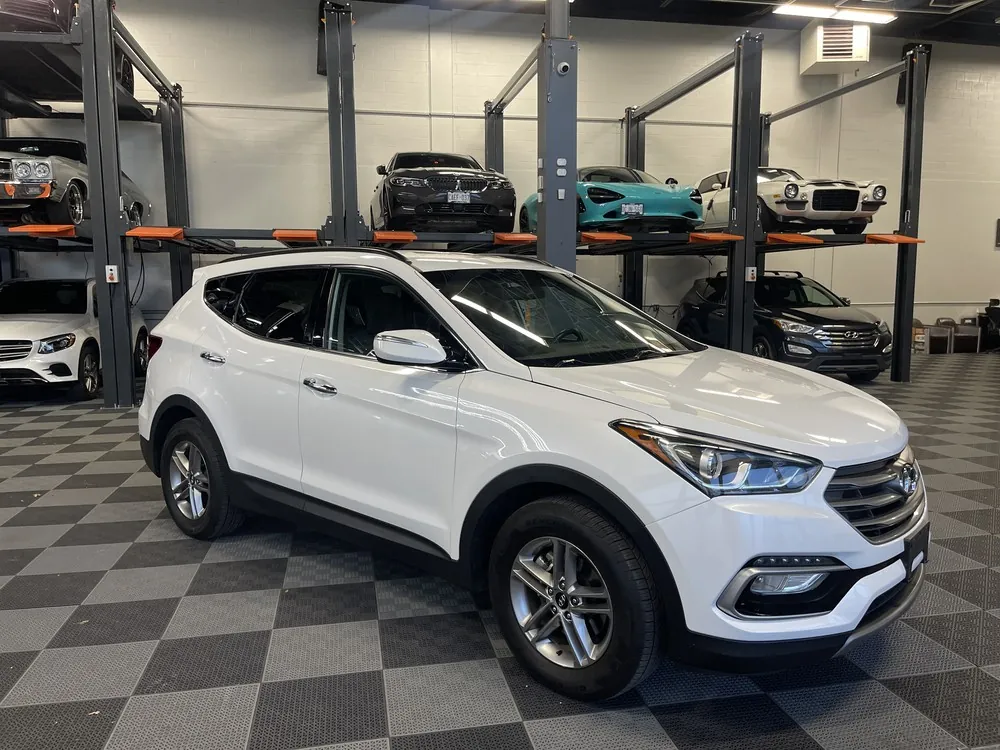
New to the GTA and need a car for work, school runs or a commute that transit doesn't cover? Three things decide how smoothly it goes: your licence, your insurance and your credit file, and in Ontario each one has its own rules and timelines. Here is how they fit together.
Short answer: You can drive on a valid foreign licence for 60 days after moving to Ontario, then you need an Ontario licence. Insurance is mandatory before you can register a car, and your Canadian credit file starts close to empty, so lenders lean more on your status documents, proof of income and down payment.
Driving in Ontario on a foreign licence
According to Ontario's licence exchange rules, when you move to Ontario you can use a valid licence from another province, state or country for 60 days. After that, you need to switch to an Ontario driver's licence. What that involves depends on where your licence was issued and how long you've been driving.
Countries with an exchange agreement
Ontario has licence exchange agreements with every Canadian province and territory, U.S. states, and a list of countries that includes Australia, Austria, Belgium, France, Germany, Great Britain, Japan, South Korea, New Zealand, Switzerland, Taiwan and Ukraine, among others. Drivers from these places can exchange their licence, though whether any tests are required depends on the class of licence and your driving experience. Check the current list on ontario.ca, since it changes over time.
Countries without an exchange agreement
If your licence comes from a country without an agreement, you need to pass the vision test, the knowledge test and the G2 road test, then wait at least 12 months before taking the G road test.
Since July 1, 2026, you can get credit for up to one year of driving experience by showing your valid, original foreign licence plus an authentication letter. That letter must be an official document from the government or agency that issued your licence, confirm the licence is authentic, and be written in English or French.
Paperwork for the exchange
- Your licence must be valid and show an expiry date.
- If it isn't in English or French, you need a translation by an approved translator, dated within six months of your application.
- You apply in person at a DriveTest centre or the ServiceOntario location at Bay and College in Toronto.
- Since May 11, 2026, applicants for a class G licence must declare that Ontario is their primary residence and that their presence in Canada is legal.
Starting from zero
If you've never been licensed, you go through Ontario's graduated licensing. In most cases you hold a G1 for 12 months before the G2 road test, then a G2 for 12 months before the G road test. A G1 driver must have an experienced driver beside them, so plan around that before buying a car you can't yet drive alone.
Insurance for newcomers
In Ontario you need insurance before you can register a vehicle in your name, and every vehicle must carry at least $200,000 in third-party liability coverage. Collision coverage for damage to your own car isn't required by law, though it's worth pricing in.
Premiums are based on factors like your driving record, how long you've been licensed, the vehicle and where you live. Drivers with limited experience are generally rated as higher risk, and an insurer may treat you that way if it can't see your history. Whether an insurer gives you credit for driving abroad varies from company to company, so it pays to ask each one what it accepts and to arrive with documents:
- your foreign driver's licence and its certified translation
- an official driving record or abstract from the authority that issued your licence
- a letter from your previous insurer showing your coverage dates and any claims
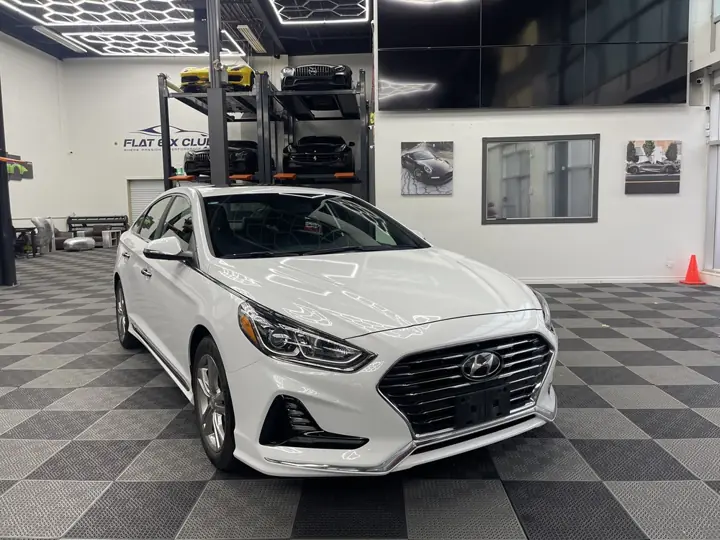
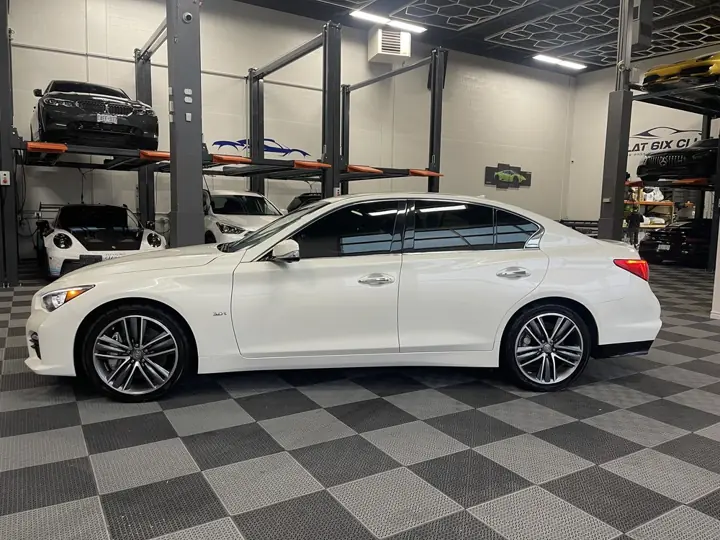
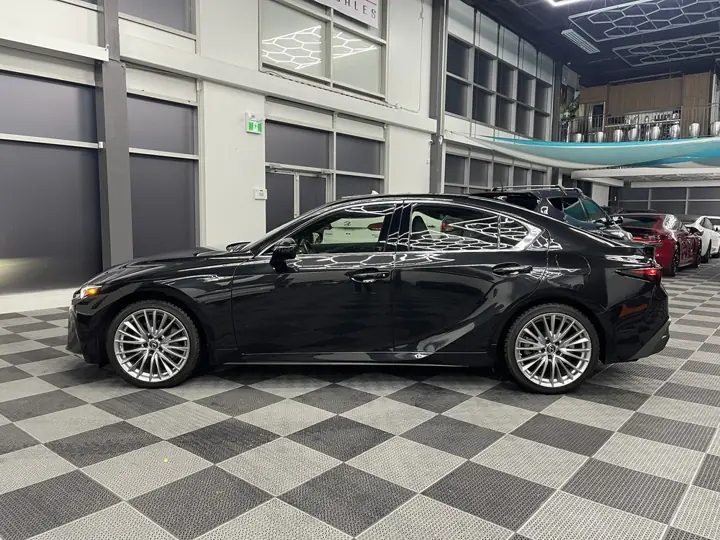
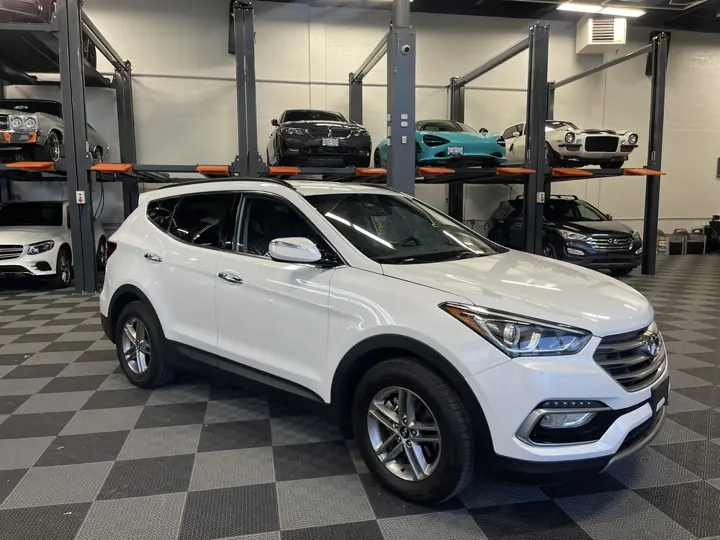
Get quotes on two or three specific cars before you commit. The vehicle you choose affects the premium, and that difference becomes part of your real monthly cost. Shortlist a few practical options, such as a family SUV or a sedan, and quote each one.
Documents lenders commonly ask for
Every lender sets its own list, but these come up again and again:
- Status in Canada: a permanent resident card or Confirmation of Permanent Residence, or a valid work or study permit.
- Identification: your passport and your driver's licence.
- Social Insurance Number: many lenders ask for it on a credit application. Federal SIN guidance says you don't have to give your SIN to apply for a credit card, a mortgage or a line of credit, and suggests offering other ID such as a passport or driver's licence.
- Proof of income and employment: recent pay stubs, an employment letter with your start date and salary, or bank statements showing deposits.
- Proof of address: a lease, a utility bill or a bank statement with your Ontario address.
- Banking details: a Canadian account for automatic payments, often confirmed with a void cheque or a direct-deposit form.
Building Canadian credit
Your credit history from home generally doesn't follow you. The Financial Consumer Agency of Canada (FCAC) notes that Equifax and TransUnion only collect information about your credit activity in Canada. It adds that some lenders may look at your credit history from another country, in which case you may need to provide your foreign credit report.
To start a Canadian file:
- Open a Canadian bank account soon after you arrive.
- Get a credit card. FCAC describes a secured card, backed by a deposit, as an option for newcomers with no credit history.
- Pay every bill on time. FCAC calls payment history the most important part of a credit score.
- Keep balances low. FCAC suggests staying under 30% of your total credit limit.
- Check your Equifax and TransUnion reports once your file exists. Checking your own credit doesn't affect your score.
A car loan paid on time adds to that history too, provided the lender reports it to the credit bureaus. Ask before you sign.
How much down payment to expect
There is no fixed rule. Each lender weighs your status, income and credit file differently. What is true across the board is that a thin credit file means the lender has less to go on, and a down payment reduces how much it needs to approve. More money down usually means a smaller loan, a lower payment and less risk of owing more than the car is worth.
Keep the full purchase in view, too. In Ontario, the advertised dealer price must include all fees except HST and licensing, so budget for HST on top of the price and leave room for the first insurance payment. Our guide to all-in pricing in Ontario explains what's included.
A practical next step
Get your licence sorted and an insurance quote in hand, then use the payment calculator on our financing page to see what a realistic payment looks like. Flat 6ix Club arranges financing for people who are new to Canada, and a pre-approval request through that page doesn't trigger a credit check until you decide to move forward. For more on the buying process itself, read how to buy a used car in Ontario.
Common questions
How long can I drive in Ontario on my foreign licence?
For 60 days after you move to Ontario. After that you need to switch to an Ontario driver's licence, and the steps depend on whether your country has a licence exchange agreement with Ontario.
Can I get a car loan with no Canadian credit history?
Many lenders will consider newcomers without a Canadian credit file. They rely more on your status in Canada, proof of stable income and your down payment, and some may review a credit report from your home country.
Does my driving experience from abroad lower my insurance?
It depends on the insurer, as each sets its own rules for recognizing experience from outside Canada. Bring an official driving record from your home licensing authority and a letter from your previous insurer, and ask each company what it accepts.
Do I have to give my SIN to get a car loan?
Lenders commonly ask for it. Federal guidance says you don't have to provide your SIN to apply for credit such as a credit card, a mortgage or a line of credit, and suggests offering other ID such as a passport or driver's licence instead.
Can I finance a car on a work permit?
Work permit holders can apply. Lenders look at your permit, employment and income, so bring your work permit, recent pay stubs and an employment letter with your application.