Buying
The used-car test drive checklist, before and behind the wheel
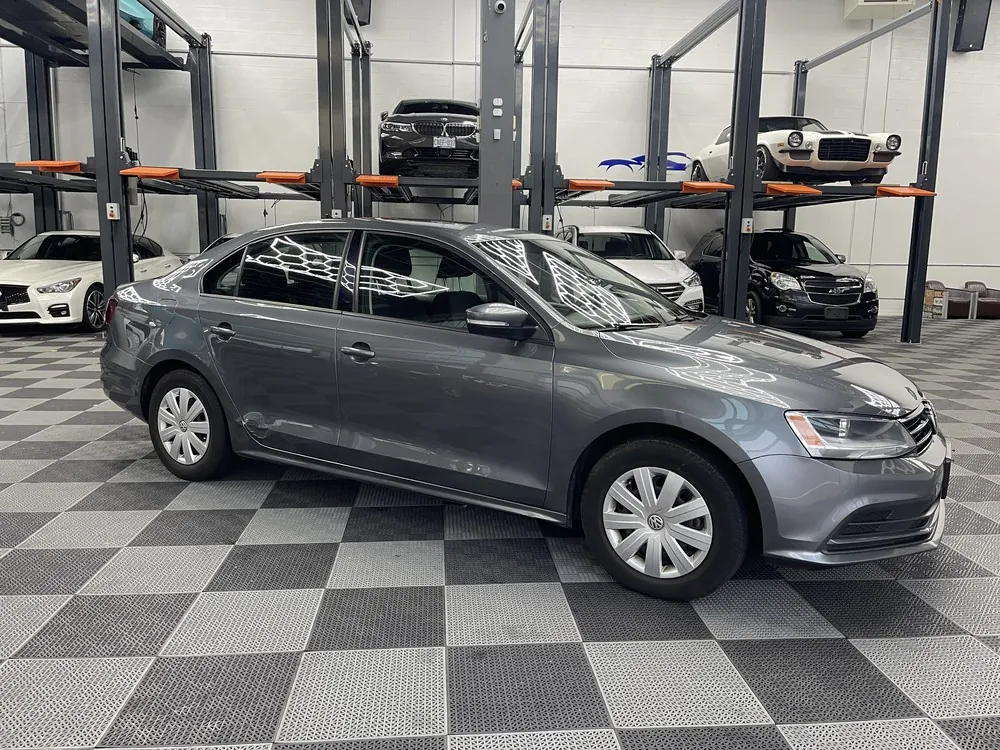
A good test drive takes about 30 minutes and tells you more than any listing photo. The trick is to check things in order: walk around the car first, look under the hood while the engine is cold, then drive it on the kinds of roads you actually use. Print this or keep it open on your phone.
Short answer: Inspect the body, tires and underside before you start the car. Do a true cold start, watch the dash lights, then drive at city and highway speeds while testing brakes, steering, shifting and every switch inside. In Ontario, pay extra attention to rust underneath. If anything feels off, get a mechanic's inspection before you buy.
Before you go: set it up properly
- Ask for the car not to be started before you arrive. A cold engine reveals noises, smoke and hard starts that a warm one hides.
- Bring a flashlight, a paper towel or rag, and a friend if you can. A second set of ears helps.
- Plan a route with a stretch of highway (Highway 400 is right there in Vaughan), a few stop-and-go blocks, a bumpy or uneven road and somewhere you can turn tightly and reverse.
- Bring your driver's licence. Expect the seller to ask to see it before you drive.
- Check the history first. Run the VIN through a history report so you know what to look for. Our CARFAX Canada guide covers what a report shows.
Exterior walk-around
Walk around the car slowly, ideally in daylight.
- Panel gaps. Gaps between doors, fenders, hood and trunk should be even on both sides. Uneven gaps can point to past collision repair.
- Paint. Look along each side at an angle. Colour or texture that doesn't match between panels suggests repainting. Overspray on rubber seals or trim is another sign.
- Glass. Small chips in the windshield can spread in Ontario winters. Check every window for cracks.
- Lights. Headlights, high beams, brake lights, signals, reverse lights and hazards. Hazy headlight lenses are cosmetic but cut night visibility.
- Underneath. Use the flashlight. Look for fresh fluid drips, hanging parts and, above all, rust (more on that below).
Tires and wheels
Tires tell you how the car has been treated and what you'll spend soon.
- Tread depth. Every tire has tread-wear indicator bars moulded into the grooves. Transport Canada's tire standard sets them at 1.6 mm. If the tread is close to flush with those bars, budget for new tires.
- Even wear. Wear on only the inside or outside edge usually means an alignment problem, sometimes worn suspension parts.
- Matching set. Four mismatched brands or sizes suggest corners were cut.
- Age. The DOT code on the sidewall ends in four digits: week and year of manufacture. Rubber hardens with age, even with good tread.
- Winter tires. Real winter tires carry the three-peak mountain and snowflake symbol. If the seller includes a second set, check those too. See our winter tires guide for why it matters here.
- Rims. Curb rash is cosmetic; bends or cracks are not.
Under the hood (engine cold)
- Oil. Pull the dipstick (if the car has one). Oil should be between the marks. Milky or foamy residue on the dipstick or under the oil cap can mean coolant is mixing with oil, which is a serious problem.
- Coolant. Check the level in the overflow tank. Never open a hot radiator cap.
- Leaks and residue. Look for wet oil around the engine, crusty deposits around hoses and dark streaks under the engine.
- Belts and hoses. Cracked belts or swollen, soft hoses are due for replacement.
- Battery. Corrosion on the terminals, or a date sticker several years old, means a battery may be on the shopping list before winter.
- Too clean? A freshly steam-cleaned engine bay on an older car can be innocent, or it can hide leaks. Look extra carefully.
Cold start and warning lights
This is the single most revealing minute of the test drive.
- Turn the key (or press start without your foot on the brake, if the car allows) to power on without cranking. All the dash warning lights should glow briefly as a self-check.
- Note any light that never comes on, especially the airbag and check-engine lights. A bulb that doesn't light at all may have been disabled.
- Start the engine. It should catch quickly and settle into a steady idle.
- Every warning light should go out within a few seconds. Any that stays on needs an explanation in writing, not "it's just a sensor."
- Look at the exhaust. A puff of vapour on a cold morning is normal. Blue smoke suggests burning oil; thick white smoke that doesn't clear can mean coolant is burning; black smoke means the engine is running rich.
- Listen for ticking, knocking or a rattle that fades after a few seconds.
Interior and electronics
Test everything with a switch, before you pull away:
- Heater and A/C at every fan speed. The A/C should blow cold within a minute or two; the heat should get hot once the engine warms.
- Rear defroster and heated mirrors. You'll need both in January.
- Power windows, locks, mirrors and seats, on every door.
- Heated seats and heated steering wheel if equipped.
- Infotainment, Bluetooth pairing, backup camera and USB ports.
- Wipers at every speed, plus washer fluid front and rear.
- Horn, cruise control, sunroof.
- Seat belts: pull each one out fully and let it retract.
Smells. A musty or mouldy smell, damp carpet or a water line under the floor mats can mean a leak or flood damage. A sweet smell inside the cabin can point to a coolant leak from the heater core. Heavy air freshener is worth a second look.
On the road: brakes, steering, transmission
Brakes
- In a safe, empty spot, brake firmly from about 50 km/h. The car should stop straight without pulling.
- The pedal should feel firm, not soft or sinking.
- Pulsing through the pedal often means warped rotors. Grinding means worn pads.
- Check that the ABS light stays off.
Steering and suspension
- At highway speed, the car should track straight with your hands relaxed on the wheel.
- Vibration through the wheel at speed can be tire balance, a bent rim or worn parts.
- On a bumpy road, listen for clunks and knocks. The car should settle after a bump, not keep bouncing.
- Turn full lock both ways in a parking lot. Clicking while turning can point to a worn CV joint.
Transmission
- Automatic shifts should be smooth and prompt, without slipping, flaring revs or harsh thumps.
- Shift from Park to Drive and Reverse while stopped. A long delay or a heavy clunk is a warning sign.
- Manual: the clutch should engage smoothly without slipping when you accelerate in a higher gear.
- AWD cars: in tight, slow turns, the car shouldn't shudder or bind.
Engine on the go
- Accelerate firmly up a highway on-ramp. Power should build smoothly without hesitation.
- After 15 minutes of driving, the temperature gauge should sit steady in the middle.
Ontario-specific: rust, salt and winter wear
Road salt is hard on cars, and the damage hides underneath.
- Brake and fuel lines. Ask a mechanic to check these on a hoist. Heavily corroded lines are a safety issue.
- Subframe and suspension mounts. Surface rust is normal on an Ontario car. Flaking, holes or swelling metal is not.
- Rocker panels, wheel arches and door bottoms. Press gently; bubbling paint here often means rust working from the inside.
- Exhaust. Rusty heat shields rattle; a rusted-through pipe will fail a safety inspection.
- Interior wear. Salt stains on carpets are cosmetic, but they tell you how hard the car's winters were.
After the drive
- Pop the hood again and look for new leaks or smells.
- Check under the car where it was parked.
- Write down anything that bothered you and ask about it directly.
- Book a pre-purchase inspection with a mechanic you choose. A test drive is a filter, not a diagnosis.
- Check for open recalls on Transport Canada's recall database.
- Remember that a Safety Standards Certificate confirms minimum standards on inspection day; Ontario says it is not a warranty.
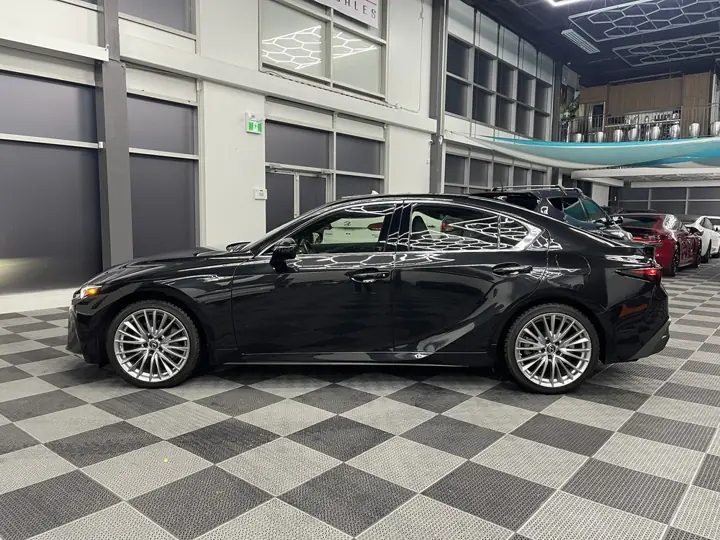
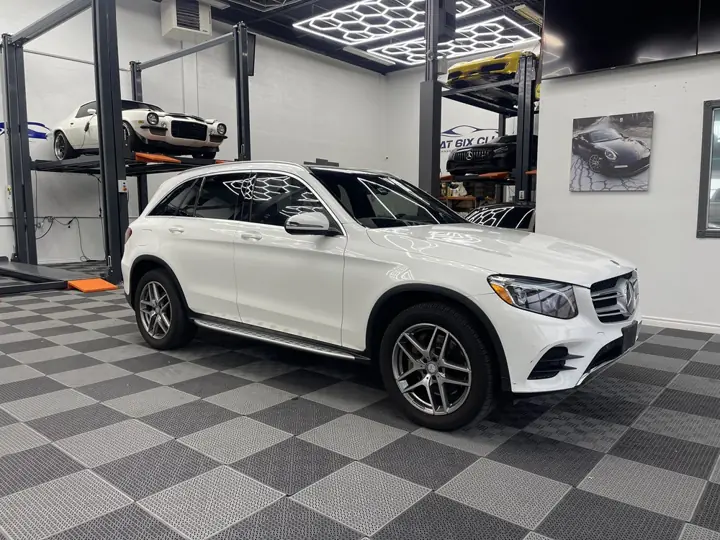
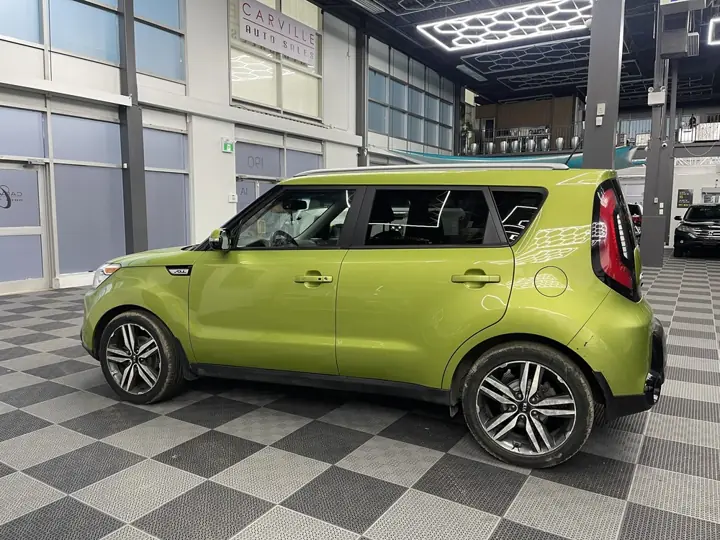
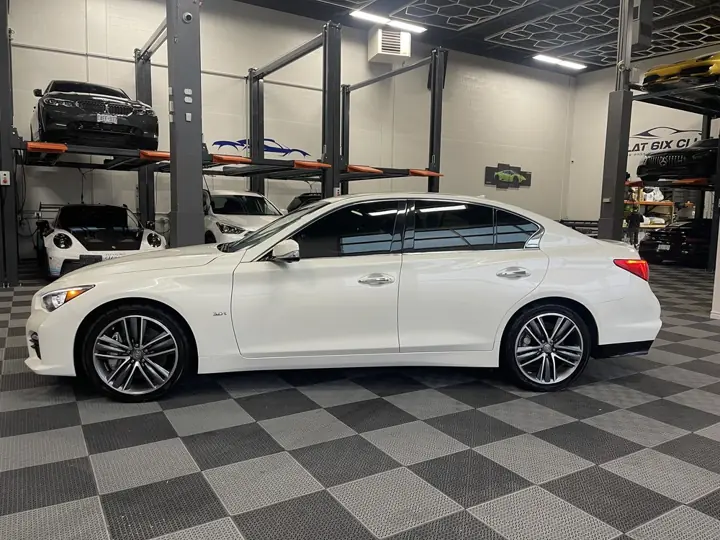
At an indoor showroom like Flat 6ix Club's, you can do the walk-around under bright lights and out of the weather, which makes paint and panel checks much easier than on a dim street in November.
Your next step
Shortlist two or three cars, then drive them back to back so the differences jump out. Flat 6ix Club's indoor showroom is at 190 Millway Ave in Vaughan, near Vaughan Metropolitan Centre subway, open Monday to Friday from 9am to 9pm. See the current inventory, plan your trip on the visit page, or call (416) 999-5939 to ask about a specific car before you come in.
Common questions
How long should a used-car test drive be?
Aim for at least 20 to 30 minutes, including highway speeds, stop-and-go traffic and a rough road. Short loops around the block hide transmission, temperature and suspension problems that only appear once the car is fully warm.
Should I test drive a used car in the rain or snow?
You can, and it tells you how the wipers, defrosters and tires behave. But do your exterior inspection in dry, bright conditions, because water hides paint flaws, dents and some leaks.
What warning lights are deal-breakers?
None automatically, but treat any light that stays on (check engine, airbag, ABS, oil pressure or temperature) as a problem until a mechanic scans it and you have the answer in writing. An airbag light that never lights at all during the start-up check is a red flag.
Should I bring a mechanic on the test drive?
It helps, but it doesn't replace a proper pre-purchase inspection. A mechanic riding along can catch noises and shifting issues, while an inspection on a hoist is how you see rust, leaks and worn suspension parts. If time is short, do the test drive yourself and book the inspection before you sign.